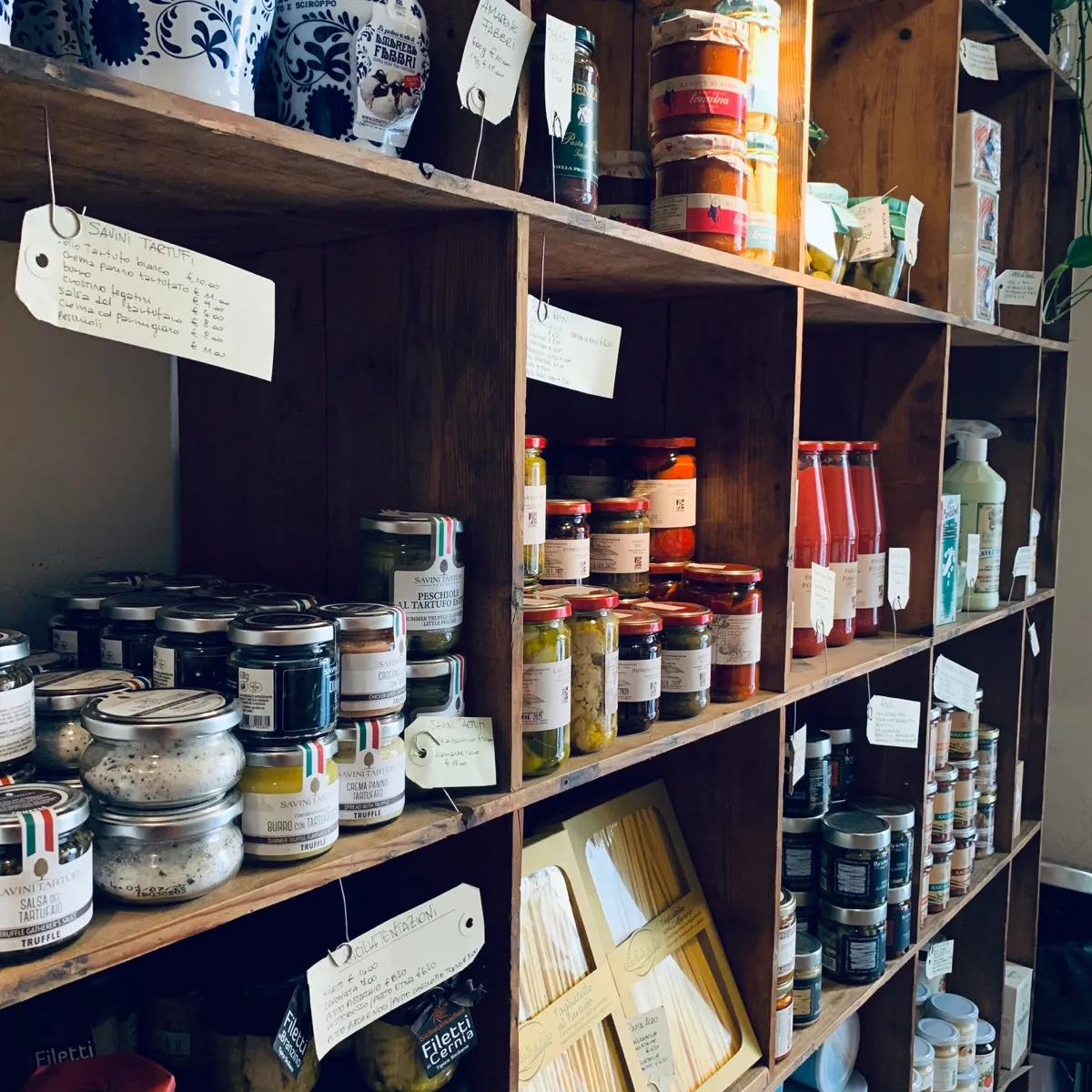
Everyone has a shelf. The one where good, unopened food goes to sit quietly until it is technically too old to give away, at which point the guilt of having wasted it gets resolved by the trash can. This is a fifteen-minute fix, and it feels shockingly good. It is also, quietly, one of the highest-impact things you can do on the whole network, because pantry surplus is the food that is easiest to share and most often lost.
first, the fact that makes this guilt-free
Most people hold onto food too long and then throw it out because of a date they misunderstood. So let us clear it up, because it changes everything about how you audit a shelf.
In the US, those printed dates are almost entirely about quality, not safety, and they are set by the manufacturer, not a food-safety regulator. With the single important exception of infant formula, they are not federally required or regulated.
- “Best by” or “best if used by” is a quality date, the maker’s estimate of peak flavor and texture. Food is very often perfectly good, safe, and tasty well past it.
- “Sell by” is a stock-rotation instruction for the store, not for you. It is about shelf management, not spoilage.
- “Use by” is the closest thing to a quality limit the maker suggests, and it is still usually about peak quality rather than a safety cliff, formula again excepted.
Shelf-stable pantry goods, such as canned beans, pasta, rice, sealed oils, vinegars, crackers, and dry goods, do not suddenly turn dangerous on the printed date. They gradually lose quality over a long, forgiving curve. So the food you feel vaguely guilty about is, in almost every case, food a neighbor would be glad to have right now. The move is not to hoard it toward the trash. It is to pass it along while it is still at its best.
pull everything forward
Take one shelf. Pull every item to the front edge so you can actually see it, since most pantry waste is simply things going invisible at the back. Now you are sorting into three piles.
- Doubles. Two of something you use one of. The backup olive oil, the second jar of peanut butter, the case of beans from the warehouse run. Surplus even though nothing is wrong with it.
- Whims. The thing you bought once, curious, and will not finish. The specialty vinegar, the flavor of oat milk you did not love, the ambitious grain.
- Wrong-fits. Perfectly good food that just does not fit your house: the gluten-free crackers you can eat, the formula, the baby food, the protein powder that is not your protein. Ideal for someone, wrong for you.
list the piles, not your feelings
The whims and wrong-fits are the easiest, most-wanted listings on rootr. Somebody three blocks over is specifically searching for exactly the thing you feel faintly guilty about owning. The formula is a lifeline to a new parent, and the gluten-free box is gold to someone who needs it. One honest photo, the date straight off the package, the word “unopened,” and a pickup window. Done.
Keep it simple and safe by sharing sealed, shelf-stable, unopened goods. Skip anything opened, anything that needed refrigeration and did not get it, anything bulging, rusted, or off, since those are not surplus but compost or trash. Sealed and honestly dated is the whole trust layer.
keep the doubles honest
Doubles are surplus even when they are nowhere near a date. If you will realistically finish one before the second is anywhere near old, the second can move now, and fresh, in-its-prime food helps a neighbor far more than a can donated the month before it turns. The instinct to save it just in case is exactly how good food ages into the trash. Moving your doubles while they are excellent is the whole point.
Fifteen minutes. One marker. A shelf you can actually see again, and a neighbor with dinner. That is the entire audit, and it is about as close as zero-waste ever gets to easy.